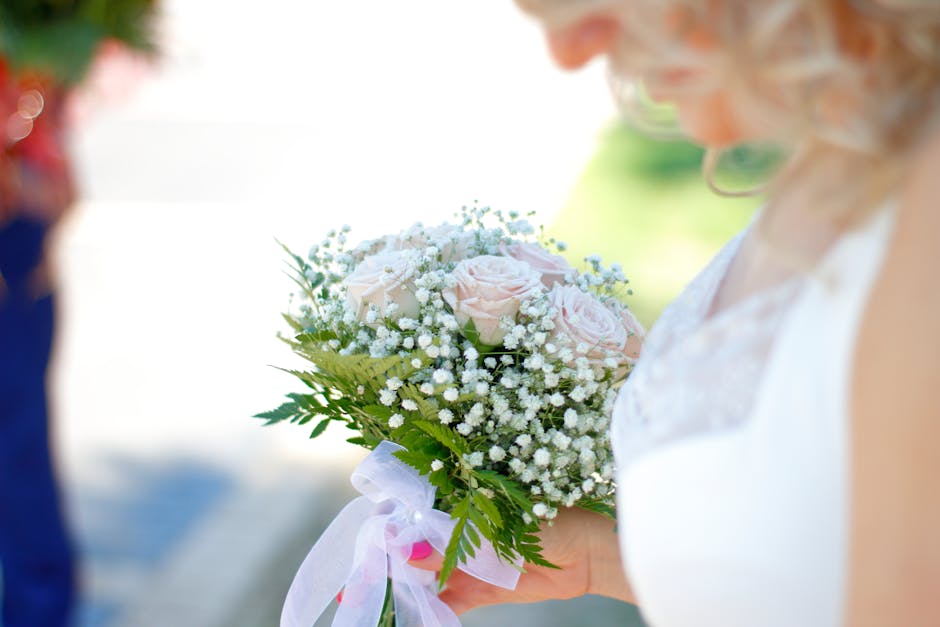
Common problems when booking wedding flowers in Dollis Hill
Posted on 15/09/2026
Booking wedding flowers should feel exciting, not like a mini crisis in the middle of your planning list. Yet plenty of couples run into the same frustrations: unclear quotes, late replies, awkward delivery timings, seasonal flowers that are suddenly unavailable, and designs that look lovely online but not quite right for the venue. If you are dealing with Common problems when booking wedding flowers in Dollis Hill, you are not alone.
In Dollis Hill and the wider north-west London area, there are a few local realities that can shape the process too. Venue access can be tight, traffic can be unpredictable, and different wedding styles need different levels of floral support. The good news? Most issues are avoidable once you know what to ask, what to confirm, and where couples usually get caught out. This guide walks through the common problems, how to handle them, and the practical steps that help you get better results without the stress.
Truth be told, wedding flowers are one of those details that seems simple until you start making decisions. Then everything appears at once: colour palettes, bouquet sizes, table arrangements, installation timing, seasonal availability, and budget. Let's make it clearer.
Contents
- Why Common problems when booking wedding flowers in Dollis Hill Matters
- How Common problems when booking wedding flowers in Dollis Hill Works
- Key Benefits and Practical Advantages
- Who This Is For and When It Makes Sense
- Step-by-Step Guidance
- Expert Tips for Better Results
- Common Mistakes to Avoid
- Tools, Resources and Recommendations
- Law, Compliance, Standards, or Best Practice
- Options, Methods, or Comparison Table
- Case Study or Real-World Example
- Practical Checklist
- Conclusion
- Frequently Asked Questions
Why Common problems when booking wedding flowers in Dollis Hill Matters
Wedding flowers do more than decorate a room. They help set the tone, carry your colour palette through the day, and make the ceremony, photos, and reception feel connected. When booking goes wrong, the effect is felt everywhere. A bouquet that is too small can look lost in photos. A delivery that arrives too late can throw off the whole schedule. A florist who misunderstood your brief may leave you with arrangements that feel far too formal, or not formal enough. Annoying, yes. But also fixable if you spot the warning signs early.
In Dollis Hill, couples often plan across a mix of venues: smaller community spaces, local halls, churches, homes, and nearby London venues with tight loading access. That makes timing and communication especially important. There is often less room for error than people expect. A florist may need to coordinate with venue staff, manage parking restrictions, and work around short setup windows. It sounds dull, maybe, but these are the little operational details that determine whether flowers look effortless or feel rushed.
Why does this matter so much? Because wedding flowers are not just a purchase. They are part design brief, part logistics project, and part emotional investment. When you understand the common problems, you protect all three.
Expert summary: Most booking problems are not caused by bad flowers; they are caused by unclear expectations, last-minute decisions, and missing details about delivery, scale, and seasonality. Get those three right and the rest becomes much easier.
How Common problems when booking wedding flowers in Dollis Hill Works
The booking process usually starts with inspiration. Maybe you have saved images from Pinterest, spotted a bouquet style in a magazine, or seen something at a friend's wedding that you loved. Then comes the practical part: sharing your date, venue, guest numbers, preferred flowers, budget, and any must-have colours. A good florist will use that information to suggest what is realistic for the season, the venue, and your budget.
The trouble is that couples often assume the process is more fixed than it really is. In reality, wedding flower design is a mix of creative planning and availability. A peony-heavy look in late spring can be beautiful, but if you are marrying at another time of year, you may need a different flower structure to achieve a similar feel. That is where booking problems begin: what looks simple online may be harder to source, price, or install in real life.
There is also the issue of scale. One bouquet, a few buttonholes, and a couple of table pieces are straightforward. A full ceremony arch, registrar table flowers, pew ends, centrepieces, and a broken arch installation? That needs careful planning, a detailed quote, and a clear setup plan. Without that, even a talented florist can end up making assumptions.
In our experience, the best wedding flower bookings are the ones where both sides slow down a little at the start. You ask questions. The florist asks questions. Nobody rushes through the key details because the excitement is doing the talking. That is usually where the good outcome starts.
Key Benefits and Practical Advantages
When you avoid the common booking problems, you get more than prettier flowers. You get a calmer planning process and fewer day-of surprises. That matters, especially when your schedule is already full of venue calls, dress fittings, and seating-plan debates that seem to expand on their own.
- Better budget control: Clear briefs and itemised quotes make it easier to see what you are actually paying for.
- Less stress: Confirming delivery windows and setup responsibilities early reduces last-minute scrambling.
- More accurate design: The florist can match your vision to what is available and suitable for the venue.
- Fewer disappointments: You are less likely to end up with flowers that are the wrong size, style, or colour temperature.
- Better photos: Proportions, placement, and freshness make a real difference in wedding photography, especially in natural light.
- Smoother supplier coordination: Good flower planning helps everyone else on the day work around the same timeline.
There is a quiet advantage too: confidence. When you know your floral plan has been properly discussed and confirmed, you stop second-guessing every detail. You can actually enjoy the planning a bit. Small miracle, that.
Who This Is For and When It Makes Sense
This topic is relevant if you are planning a wedding in Dollis Hill, whether the celebration is intimate or more elaborate. It is especially useful if you are still comparing florists, trying to understand quotation differences, or wondering whether your ideas are practical for the time of year.
It also matters if you are:
- planning a wedding on a tight or fixed budget
- booking from abroad or from another part of the UK
- using a venue with limited access or setup time
- trying to match flowers to a specific theme or colour palette
- unsure whether you need full floral styling or just a few key pieces
- working with seasonal blooms and want to avoid last-minute substitutions
If you are early in the process, this can help you ask smarter questions. If you are already deep into planning, it can help you spot gaps before they become problems. Either way, it is worth reading with a practical eye.
Step-by-Step Guidance
1. Start with the venue and timing
Before you get lost in flower names and inspiration boards, confirm your venue, ceremony time, and setup window. A florist needs to know how much time they have to install arrangements, whether they can access the building easily, and whether there are restrictions on candles, water containers, or structures. Honestly, this step gets skipped more often than it should.
2. Build a simple, honest brief
Write down the key points: colours, style, must-have flowers, approximate guest count, bouquet preferences, and the sort of mood you want. For example, "soft, romantic, garden-style, not too formal" is more helpful than "just make it pretty." Pretty is lovely, but not very actionable.
3. Ask for an itemised quote
A detailed quote should separate the main pieces: bridal bouquet, bridesmaids' bouquets, buttonholes, ceremony flowers, reception flowers, delivery, setup, and any hire items. This makes it much easier to compare suppliers fairly. If two quotes look wildly different, check whether they actually include the same things. They often do not.
4. Confirm seasonal availability
Ask which flowers are in season around your wedding date and which ones may need to be substituted. Substitutions are normal in floristry, but they should not feel random. A good florist will explain how changes affect the look and budget, and suggest alternatives that still fit your style.
5. Lock in the logistics
Check delivery times, access instructions, contact numbers, parking, and who signs for the flowers. If the venue is in a busy part of London, it is worth being very specific. A five-minute delay can become a twenty-minute one if there is nowhere to stop. Not ideal when the ceremony starts soon.
6. Review the design plan before final confirmation
Ask for a written summary, mood board, or design note. It does not need to be fancy. What matters is that both sides agree on the look, scale, flower types, and important timings. This is where you catch misunderstandings before they become expensive.
7. Reconfirm close to the date
As the wedding approaches, check the plan again. Guest numbers may shift, table layouts may change, and your final schedule may need a tweak. A quick check-in can prevent a lot of unnecessary tension.
Expert Tips for Better Results
After seeing what tends to trip people up, a few patterns become clear. The couples who have the smoothest experience usually do a handful of things well.
- Bring references, but not twenty of them: Three to five strong images are better than a chaotic pile of similar bouquets.
- Talk about scale, not just flowers: A statement arrangement is about size and placement as much as it is about the flowers themselves.
- Be realistic about seasonality: If your dream flowers are out of season, ask for the same mood rather than forcing the exact stem.
- Ask what happens if a flower is unavailable: The answer tells you a lot about the florist's approach.
- Keep the budget conversation early and direct: It is much easier to design within a clear range than to backtrack later.
- Think about the whole day: Ceremony pieces can sometimes be moved to the reception, which stretches the value of your spend.
A small human tip: if you know your colour palette but not your exact flowers, say so plainly. That is not a weakness. It is actually very normal. A good florist would rather work from a clear mood than a half-formed guess.
And yes, if your inspiration folder is a little wild, you are in good company. Most people's is. One minute it is roses and eucalyptus, the next it is wildly romantic blush peonies with candlelight. Happens all the time.
Common Mistakes to Avoid
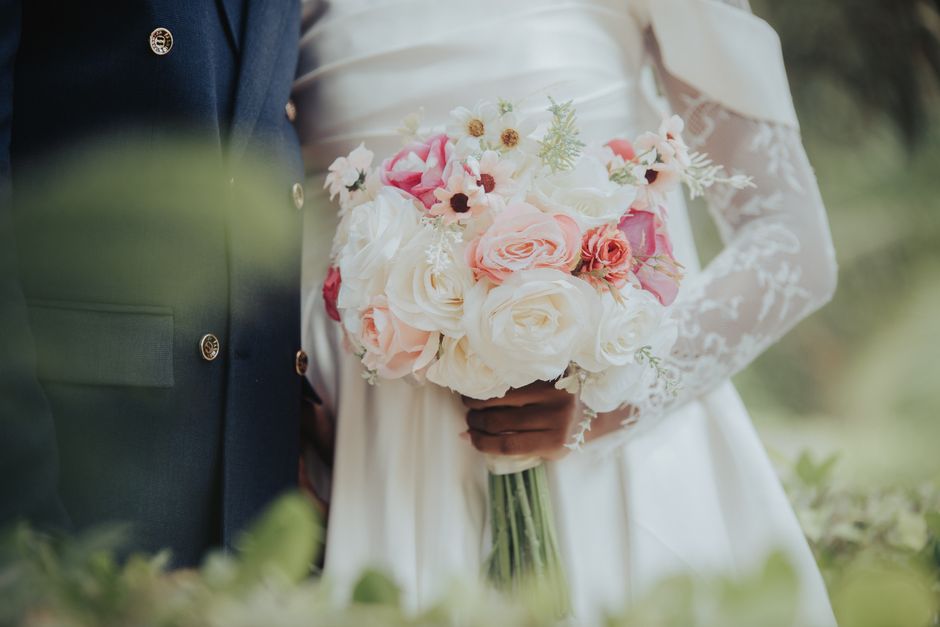
Here is where many booking problems start. None of these mistakes are dramatic on their own, but together they can make the whole process messy.
- Leaving florist enquiries too late: Popular dates go quickly, especially in busy wedding seasons.
- Assuming inspiration photos are exact replicas: Many photos feature premium blooms, stylised lighting, or seasonal flowers not always available locally.
- Not checking setup constraints: Narrow entrances, stairs, small lifts, and limited parking all affect delivery.
- Forgetting the hidden extras: Vases, stands, candles, installation, removal, and venue delivery can change the total cost.
- Comparing only the headline price: A cheaper quote may exclude essential items or include fewer stems.
- Not clarifying flower substitutions: If there is a shortage, you need to know how replacements will be handled.
- Ignoring the venue style: A very lush floral scheme may look stunning in a large room and overwhelming in a compact one.
One of the sneakiest problems is overcommitting to a look before you know what your venue can support. It seems harmless at first. Then the quote arrives, and suddenly you are trying to make an all-out floral feature work in a space that really wants something lighter. Better to adapt early than force it later.
Tools, Resources and Recommendations
You do not need a complicated system, but a few simple tools can make flower booking much easier.
- Shared notes app or spreadsheet: Keep quotes, contacts, and key decisions in one place.
- Venue information pack: Note access times, restrictions, floor plans, and contact details.
- Inspiration folder: Save only the images that genuinely match your theme, not every pretty thing you see at 11pm.
- Budget breakdown: Separate bouquets, ceremony flowers, tables, delivery, and install costs.
- Questions list: Use the same list with every florist so comparisons are fair.
If you are also planning other wedding details, it can help to compare floral choices with the rest of your styling plan. For example, if you already have a venue and catering approach lined up, your flowers should complement that rather than compete with it. A modest room with simple linens often needs a different floral approach from a statement space.
For readers organising the wider day, it may also help to look at broader service planning through wedding services in London and consider how flowers fit alongside transport, venue styling, and timing. Keep it simple. Simple is underrated.
Law, Compliance, Standards, or Best Practice
Wedding floristry is not usually a heavily regulated service in the way some trades are, but there are still sensible standards and responsibilities to keep in mind. Good best practice includes clear written quotes, agreed delivery terms, sensible handling of fresh flowers, and careful coordination with the venue. If a florist is bringing structures, stands, candles, or electrical items, the venue may have its own rules about what is permitted and how it should be installed.
It is also worth being cautious about assumptions. For example, if your venue has restrictions on flame, water, floor protection, or access times, those are not minor details. They affect the design and the workflow. The cleaner the communication, the safer and smoother the setup.
From a customer perspective, good practice means keeping records of the quote, final design notes, deposit terms, and any updates made by email or message. That way, if your guest count changes or a flower type needs to be replaced, everyone can refer back to the same plan.
In other words: clear agreement beats memory every time. Memory is lovely, but it is also a bit optimistic under wedding pressure.
Options, Methods, or Comparison Table
Different couples need different booking approaches. A simple comparison can help you decide what level of floral support makes sense for your day.
| Approach | Best for | Pros | Watch-outs |
|---|---|---|---|
| Basic bouquet-only booking | Small weddings, registry ceremonies, limited budgets | Simple to plan, easier to budget, fewer logistics | Less visual impact across the venue |
| Partial floral styling | Couples who want key focal points only | Good balance of cost and effect, flexible | Needs careful prioritising so the most important areas are covered |
| Full floral installation | Statement weddings, larger venues, highly styled celebrations | Strong visual impact, cohesive design | More planning, higher cost, more setup coordination |
| Seasonal-led design | Practical couples, value-conscious couples | Often more natural, easier to source, can be cost-efficient | Requires openness to substitutions and colour shifts |
If you are unsure which option suits you, start with the areas that will matter most in photos: bouquet, ceremony focal point, and reception tables. That usually gives the best return without overcomplicating the day. You can always build from there.
Case Study or Real-World Example
Here is a realistic scenario. A couple planning a late-summer wedding in Dollis Hill falls in love with a very full garden-style bouquet they found online. The image features pale peonies, specialty roses, trailing jasmine, and a large ceremony arrangement to match. Lovely. The issue? Their actual venue has a short setup window, limited parking, and a smaller indoor ceremony space than the photo suggests.
At first, the couple assumes the florist can simply recreate the same look. But after a proper conversation, they discover that the original design would be too large for the room and too dependent on flowers that are not all guaranteed in peak condition on their date. The florist proposes a revised design with similar softness and romance, using seasonally available blooms, slightly smaller ceremony pieces, and a reception arrangement that can be moved after the vows.
The result is not an exact copy of the inspiration photo. It is better for the actual wedding. It fits the room, stays within budget, and avoids a rushed setup. The couple still gets the feeling they wanted, and the bouquets photograph beautifully in the soft afternoon light. That's the real win, isn't it?
This is a common pattern in Dollis Hill weddings and across London generally: the best floral plans are rarely the most literal ones. They are the ones that translate well to the real venue, the real timing, and the real season.
Practical Checklist
Use this checklist before confirming your wedding flower booking:
- Have you confirmed the wedding date, venue, and ceremony time?
- Do you know what the florist is quoting for and what is excluded?
- Have you shared your budget range clearly?
- Have you saved only the most relevant inspiration images?
- Do you know which flowers are seasonal for your date?
- Has the florist explained likely substitutions?
- Have you checked delivery access, parking, and setup times?
- Do you know who will receive the flowers on the day?
- Have you confirmed whether items are hired, bought, or returned?
- Do you have the final design summary in writing?
- Have you noted who to contact if the schedule changes?
- Have you checked whether flowers can be reused between ceremony and reception?
If you can tick most of those off, you are in a strong position. If not, no panic. Better to catch the gaps now than on the morning of the wedding with everyone looking at their phones and pretending not to worry.
Conclusion
The most common problems when booking wedding flowers in Dollis Hill usually come down to the same few things: unclear communication, budget mismatch, seasonal availability, and logistics that are more complicated than they first looked. The fix is not to overthink everything. It is to ask the right questions early, compare quotes carefully, and make sure the floral plan fits both your venue and your vision.
When you keep things practical, the process becomes much easier. You get flowers that suit the day, a setup that runs smoothly, and fewer unpleasant surprises. That is the goal, after all: beautiful details without the hidden drama.
Get a free quote today and see how much you can save.
And if you are still at the stage of weighing up ideas, that is perfectly fine. Start with the basics, stay curious, and let the flowers serve the day rather than complicate it. That usually leads to something quietly lovely.
Frequently Asked Questions
What are the most common problems when booking wedding flowers in Dollis Hill?
The biggest issues are unclear pricing, late booking, seasonal flower shortages, and poor communication about delivery or setup. Venue access can also be a factor in London settings.
How far in advance should I book wedding flowers?
As early as you can, especially if your wedding is during a busy season or on a popular date. Early booking gives you a better chance of securing your preferred florist and allows more time to refine the design.
Why do wedding flower quotes vary so much?
Quotes can vary because they may include different flower types, installation time, delivery, hire items, and the level of design support. Always check exactly what is included before comparing prices.
Can I get my exact inspiration bouquet recreated?
Sometimes, but not always. Flowers are seasonal, and some designs depend on premium stems or conditions that may not be realistic for your date. A good florist will help you achieve the same overall feel even if a few details change.
What should I tell a florist before asking for a quote?
Share your wedding date, venue, ceremony and reception locations, colour palette, budget range, guest numbers, and any flowers you love or dislike. The more specific you are, the more useful the quote will be.
How do I avoid overpaying for wedding flowers?
Ask for an itemised quote, compare like with like, and be honest about your budget. Also ask which elements are optional and whether ceremony flowers can be reused at the reception.
What if my chosen flowers are out of season?
That is very common. The florist should suggest suitable alternatives that preserve the style, colour, and mood of your original idea. It is usually better to adapt the design than to fight the season.
Do I need to arrange parking or access details for the florist?
Yes, if possible. In busy parts of London, delivery and setup can be affected by limited parking, loading restrictions, stairs, or tight time windows. Clear access information saves time and stress.
Should I ask for a written confirmation?
Absolutely. A written summary of the design, pricing, delivery details, and any substitutions helps prevent misunderstandings later on. It is one of the simplest ways to protect the plan.
What happens if the venue rules change near the wedding date?
Let the florist know immediately. A good florist can often adjust the design, timing, or setup method if they have enough notice. That is another reason to keep communication open right up to the day.
Are budget bouquets and smaller floral packages still worth it?
Yes, if they are planned well. A smaller package can still look beautiful if the design is focused on the most visible moments, such as the bouquet, ceremony focal point, or reception table styling.
How can I tell if a florist is the right fit?
Look for clear communication, realistic suggestions, and an understanding of your venue and budget. If they listen properly and explain options without pushing you, that is usually a very good sign.