Neasden Lane florists Dollis Hill insider tips wedding bouquets
Posted on 01/10/2026
Neasden Lane Florists Dollis Hill Insider Tips Wedding Bouquets
Planning wedding flowers can feel strangely emotional. One minute you are choosing shades and stems, the next you are worrying about transport, timing, church rules, and whether the bouquet will still look fresh when you finally walk down the aisle. If you are comparing Neasden Lane florists Dollis Hill insider tips wedding bouquets, you are probably after more than a pretty arrangement. You want dependable advice, local know-how, and flowers that suit your day, your dress, your venue, and your budget.
This guide pulls together the practical bits people often miss: how wedding bouquets are chosen, what local florists tend to ask, where couples go wrong, and which decisions make the biggest difference. We will keep it clear, useful, and grounded in real wedding planning. No fluff, no vague "just pick what you love" nonsense. Well, not only that anyway.
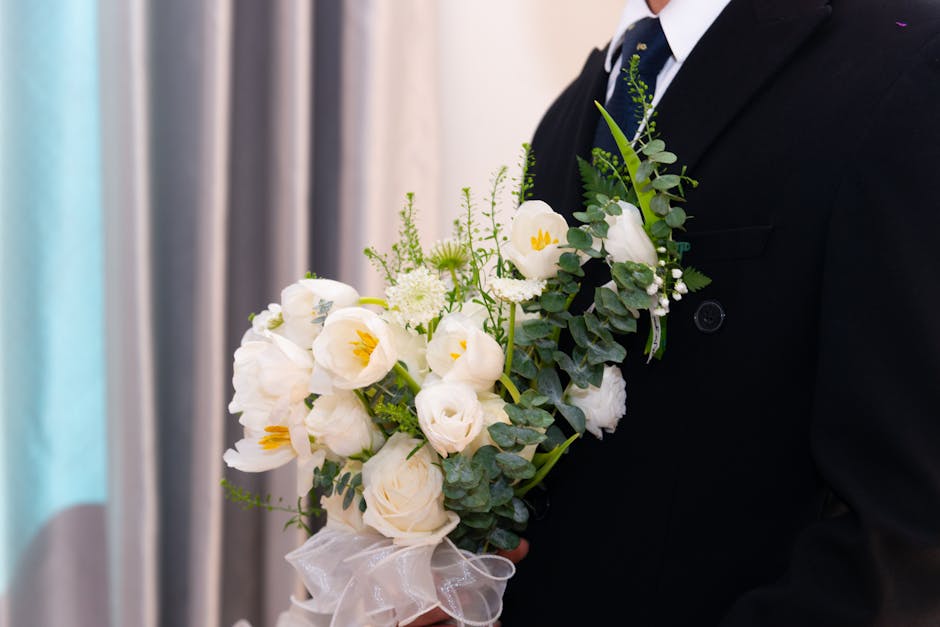
Why Neasden Lane florists Dollis Hill insider tips wedding bouquets Matters
Wedding bouquets are not just "the flowers for the bride". They set the visual tone for the whole day. In a local London context, especially around Dollis Hill and Neasden Lane, couples often have to balance venue style, travel logistics, seasonal availability, and the very practical reality of city timing. A bouquet that looks stunning in a calm shop window can behave very differently after a ride through traffic on a warm afternoon.
That is why insider advice matters. A florist who knows the area and understands wedding day pressure can help you avoid a bouquet that is too heavy, too fragile, too late to arrive, or too fussy for your actual plans. You will notice this especially if the ceremony and reception are in different places, or if you have photos scheduled outdoors and then a long wait before the meal.
There is also a style element that people underestimate. The best bouquet is not always the fanciest one. It is the one that looks like it belongs with the dress, the suit, the venue, the season, and the kind of wedding you are actually having. Slightly old-fashioned church wedding? Different feel. Modern registry office? Different again. Spring garden party? The brief changes completely.
Practical takeaway: the right florist does more than arrange flowers. They help the bouquet survive the day, support the look of the wedding, and reduce last-minute stress. That is the real value here.
How Neasden Lane florists Dollis Hill insider tips wedding bouquets Works
In practice, wedding bouquet planning usually starts with a conversation. A good florist will ask about your date, venue, dress style, colour palette, and any flowers you love or dislike. They may also ask how the bouquet will be held, whether you want matching bridesmaid bouquets, and whether buttonholes or table pieces should coordinate. Simple enough on paper, but those details change the end result a lot.
The process usually goes like this:
- Share the basics. Give the florist your wedding date, theme, venue type, and whether the bouquet needs to travel between locations.
- Discuss seasonality. Some flowers are easier to source fresh at certain times of year, so a florist may suggest alternatives that hold up better.
- Choose shape and scale. A hand-tied bouquet feels different from a compact posy or a cascading design. Weight matters, too. Quite a lot, actually.
- Refine the colour story. This is where brides often realise the bouquet needs to complement, not match, the outfit.
- Plan timings and delivery. Wedding flowers need a reliable schedule, especially if there is a morning prep slot, a ceremony queue, or a tight transfer window.
- Confirm substitutes. If a specific bloom is unavailable, a sensible florist will have a plan B that still fits the look.
In local wedding work, the most useful florists are the ones who ask good questions early. If they do not ask many questions, that is a small warning sign. Maybe not a disaster, but worth noting.
For couples exploring broader floral options in the area, it can help to look at a dedicated wedding flowers in Dollis Hill selection alongside bouquet-specific choices. That gives you a clearer picture of what can be coordinated across the whole day.
Key Benefits and Practical Advantages
Working with local florists for wedding bouquets brings several advantages, and the obvious ones are only half the story.
- Better timing: Local delivery and pickup arrangements are usually easier to manage, especially for early ceremonies and weekend weddings.
- More realistic advice: A florist with local experience will often steer you away from flowers that are likely to struggle in the weather or the journey.
- Seasonal value: Choosing flowers that are in season can improve freshness and sometimes reduce cost pressure.
- Style matching: Experienced florists know how bouquet size and shape play against different dresses, from sleek satin gowns to fuller lace designs.
- Less wedding-day panic: When the bouquet is handled by someone who knows what they are doing, one more thing stops being your problem. Lovely, really.
There is also a quieter benefit: confidence. Brides and grooms often feel calmer when they know the bouquet is not an afterthought. A good arrangement makes the whole day feel more considered. It photographs better too, especially in close-up shots where the bouquet sits right next to rings, lace, and expressions you probably will want to remember forever.
If you are still deciding between more general delivery options and a wedding-specific order, browsing a trusted flower delivery in Dollis Hill service can help you compare freshness, timings, and style before you commit to a final bridal choice.
Who This Is For and When It Makes Sense
This kind of guidance is useful for several groups of people:
- Couples planning a local wedding who want a florist that understands area logistics.
- Brides who care about design details and want the bouquet to work with the dress rather than compete with it.
- Wedding planners and family helpers who are comparing suppliers and need a sensible shortlist.
- Budget-conscious couples who want to spend where it matters and avoid wasteful extras.
- Last-minute organisers who need clear, practical options rather than endless customisation.
It makes sense to take this seriously when the wedding has multiple moving parts. For example: ceremony at one venue, photographs in a park, reception somewhere else, and the bridal party arriving in different cars. In those situations, bouquet size, water retention, and packaging suddenly matter a lot more than people expect.
Truth be told, even small weddings benefit from thinking this through. A tiny civil ceremony still deserves a bouquet that feels intentional. Small does not have to mean plain.
Step-by-Step Guidance
If you want a smoother experience, use this simple process. It keeps decisions orderly, which is a blessing when you are already juggling guest lists, fittings, and messages from three different relatives asking if they should wear hats.
1) Define the wedding style first
Before speaking in detail about stems, decide what the wedding feels like. Romantic and soft? Crisp and modern? Seasonal and natural? Traditional and elegant? Those words help a florist narrow the design faster than a long list of random flower names.
2) Choose your bouquet shape
The main shapes are hand-tied, compact round, posy, and cascading. Hand-tied bouquets are a common favourite because they look relaxed and elegant. Compact styles suit smaller frames and more formal dresses. Cascading bouquets are dramatic, but they need careful handling and are not always the easiest choice for a long day.
3) Decide what matters more: colour, flower type, or meaning
Some couples care most about colour palette. Others want specific blooms, perhaps roses for symbolism or peonies because they just love the look. If you try to prioritise everything equally, the process gets messy fast. Pick the top one or two priorities and let the florist work around them.
4) Ask about seasonal substitutions early
This is one of the biggest insider tips. If a flower is out of season, a good florist can usually suggest a close alternative with a similar shape or tone. That is often better than forcing an awkward import or accepting weaker quality. Seasonal substitutions are not a compromise if they are done well.
5) Confirm practical details in writing
Make sure the arrangement, delivery time, bouquet size, and any extras are all clear. A simple written summary prevents those awkward "I thought you meant..." moments. Not glamorous, but very useful.
6) Plan care on the morning of the wedding
Wedding flowers should be kept cool, protected from direct heat, and handled gently. If the bouquet arrives before the bride is ready, someone sensible should know where to keep it safe. A bridesmaid, mother, planner, or reliable friend often ends up becoming the unofficial bouquet guardian. A noble role, honestly.
Expert Tips for Better Results
Here are the sorts of tips that separate a decent bouquet from one that feels thoughtfully designed.
Keep the bouquet proportionate to the dress
A large, full bouquet can overpower a delicate silhouette. Equally, a tiny bouquet can look lost with a substantial gown. The trick is balance. Hold a small visual conversation between dress, bouquet, and body shape.
Think about scent as well as colour
Some flowers smell wonderful up close but may be too strong in a small indoor venue. If the ceremony room is enclosed, choose fragrance with care. A bouquet should be pleasant, not distracting. You want guests saying "beautiful flowers," not sneezing into their confetti packets.
Use one statement bloom, not ten
Insider tip: one standout flower variety often gives a bouquet more personality than packing in every possible bloom. It looks cleaner, more intentional, and often more expensive than it is. That is a nice little trick.
Keep the colour palette tighter than you think
Two to four tones usually look more elegant than a rainbow approach. Even a mixed bouquet works best when there is a clear anchor colour and a supporting palette around it. Soft whites, blush pinks, greens, and muted purples are common wedding-friendly combinations because they photograph well.
Ask how the bouquet will age during the day
Some flowers open faster, some hold their shape beautifully, and some need hydration or shade. A wedding bouquet should not just look lovely at 10 a.m. It should still look decent at the reception, and ideally in the dance-floor photos too.
Match bouquet style to the season
Spring bouquets often feel lighter and more open. Summer flowers can be fuller and brighter. Autumn arrangements may lean into richer tones and texture. Winter bouquets often do well with stronger structure and deeper colours. None of this is fixed, of course, but seasonal logic usually helps.
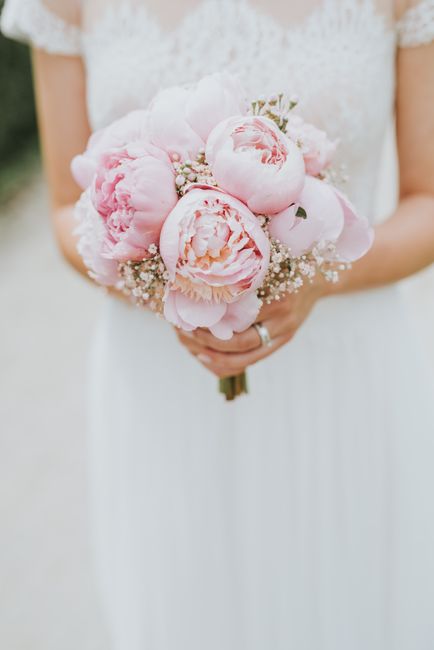
Common Mistakes to Avoid
Most bouquet problems are avoidable. The issue is usually not the flowers themselves; it is the planning around them.
- Choosing too many flower types: This can make the design feel unfocused.
- Ignoring the dress neckline or fabric: A bouquet should complement the outfit, not fight with it.
- Leaving timing too late: Wedding flowers need a proper delivery window and a backup plan.
- Forgetting transport: A bouquet needs to travel safely, especially in London traffic and summer heat.
- Picking flowers only from photos: Screens can flatten colour and size. Real blooms behave differently.
- Not asking about substitutions: This becomes an issue if a specific stem is unavailable close to the date.
- Overlooking the weight: A bouquet that looks gorgeous but feels like a kettlebell is not ideal.
One very common mistake is assuming that "wedding bouquet" always means one fixed style. It does not. There are plenty of directions available, and the best one depends on the person holding it, not just the Pinterest board. Yes, people still say Pinterest board, though sometimes with a slightly haunted expression.
Tools, Resources and Recommendations
You do not need complicated tools to make a good decision. A little structure goes a long way.
- Saved inspiration images: Keep a small collection of bouquet styles you actually like, not fifty similar ones.
- Dress photos or fabric samples: Useful for matching tone and texture.
- Venue notes: Indoor, outdoor, religious, registry office, or mixed setup all affect floral choices.
- Colour references: Simple swatches, bridal party outfit photos, or even a phone screenshot can help.
- A delivery and timing plan: Who receives the flowers, where they are kept, and when they are moved.
For broader shopping around, some couples compare bouquet options with a general flower shop in Dollis Hill first, then narrow down to wedding-ready designs. Others start with a broader wedding collection and refine from there. Either way, it helps to see the style range before choosing.
If you are the type who likes to compare presentation quality across different occasions, a florist's general catalogue can also be useful. For example, a shop that handles birthday, sympathy, and seasonal flowers well often shows the same care in wedding work. You may notice the difference in stem freshness, wrapping, and the way designs are balanced.
Law, Compliance, Standards, or Best Practice
For wedding bouquets, the main concerns are less about legal issues and more about reliable business practice, consumer clarity, and product handling. In the UK, couples should expect clear information about ordering, delivery, refunds, substitutions, and any limitations around fresh flower availability. A florist should also be transparent if a requested bloom is seasonal or difficult to source.
Best practice usually includes:
- clear written order details
- reasonable substitution policies
- safe packaging for transport
- freshness and care guidance
- honest delivery expectations
If flowers are being delivered alongside other items, or if there are timing concerns due to the wedding schedule, the florist should be able to explain how delivery is handled. That kind of clarity builds trust. It also reduces the chance of awkward surprises on the day, which nobody needs.
For anyone comparing suppliers, it is sensible to review the florist's own policy pages and service information. Details about delivery arrangements, returns and refund terms, and guarantees are worth checking before placing a wedding order. That is just good shopping, really.
Options, Methods, or Comparison Table
Different bouquet approaches suit different weddings. Here is a simple comparison to help you narrow it down.
| Option | Best for | Strengths | Things to watch |
|---|---|---|---|
| Hand-tied bouquet | Classic, versatile weddings | Natural look, easy to style, popular with brides | Can feel loose if the design is not well balanced |
| Posy bouquet | Smaller ceremonies, simpler dresses | Compact, easy to carry, neat in photos | May look too small for dramatic gowns |
| Cascading bouquet | Formal or dramatic weddings | Elegant, striking, high visual impact | Heavier, more complex, needs careful handling |
| Seasonal mixed bouquet | Couples who value freshness and value | Flexible, often better value, looks natural | Requires trust in the florist's design judgement |
A lot of couples end up choosing a hand-tied or seasonal mixed style because it gives the best balance of beauty, comfort, and practicality. Not always, but often enough that it is worth serious consideration.
If you want wedding-specific designs that already suit bridal, bridesmaid, and ceremony needs, browsing the local wedding collection can be a smart next step. For bouquet-led choices, the dedicated bridal and bridesmaid pages are especially helpful.
Case Study or Real-World Example
Here is a realistic example from the kind of planning many couples go through.
A bride planning a late-spring wedding in Dollis Hill wanted soft white and blush flowers, but she also wanted the bouquet to feel full enough for photos. Her first instinct was to ask for peonies, roses, orchids, and hydrangeas all at once. Beautiful idea, in theory. In practice, it would have risked a busy, overworked arrangement.
After a florist-style reality check, the plan shifted. The bouquet became a cleaner design built around roses and lisianthus with light greenery, plus a few carefully placed accent stems for texture. The shape was kept comfortable to hold, and the palette was tied to the bridesmaid dresses rather than the exact shade of the invitations.
What changed? Three things:
- The bouquet looked calmer in photos.
- It was easier to carry through a full day.
- The florist could source the main blooms more reliably.
The bride later said the bouquet felt "right" rather than just "pretty". That distinction matters. A wedding flower arrangement should not only impress in a close-up; it should fit the mood of the day and still feel comfortable two hours later when you are halfway through greetings, photographs, and the first of several long hugs.
Practical Checklist
Use this before you confirm your bouquet order.
- Have you confirmed the wedding date, venue, and ceremony time?
- Do you know the bouquet shape you want?
- Have you shared dress details, colour palette, and any fabric or accessory notes?
- Have you asked which flowers are in season or likely to be easiest to source?
- Do you understand the florist's substitution policy?
- Have you confirmed delivery or collection timing?
- Will someone be responsible for keeping the bouquet cool and safe on the day?
- Have you decided whether bridesmaid bouquets, buttonholes, or table arrangements should coordinate?
- Have you checked the florist's care advice for fresh flowers?
- Are you happy with the total spend and what is included?
Quick reminder: if one of these answers is still "sort of", that is your cue to pause and tidy it up before ordering. It saves stress later. Simple as that.
Get a free quote today and see how much you can save.
Conclusion
Choosing wedding bouquets with Neasden Lane florists in Dollis Hill is really about making smart decisions early. The best results come from clear priorities, realistic flower choices, and a florist who understands both design and logistics. The bouquet should suit the day, hold up through the day, and feel like a natural part of the celebration.
If you remember only one thing, make it this: a beautiful bouquet is not just about beauty. It is about fit, timing, comfort, and confidence. Get those four things right and the flowers usually take care of the rest. And when you are standing there on the day, bouquet in hand, hearing the room settle before the ceremony starts, that quiet sense that everything is in the right place really does matter.
Frequently Asked Questions
How early should I book wedding bouquets with a local florist?
It is sensible to book as early as you can, especially for spring and summer dates when wedding demand is higher. Early booking gives you more choice on style, flower selection, and delivery timing.
What flowers work best for wedding bouquets in Dollis Hill?
That depends on the season, your colour palette, and the look you want. Roses, lisianthus, orchids, hydrangeas, lilies, and mixed seasonal blooms are all common choices, but the best fit is the one that suits your dress and venue.
Are hand-tied bouquets better than cascading bouquets?
Neither is automatically better. Hand-tied bouquets are usually easier to carry and suit many weddings. Cascading bouquets create more drama but need more care and can feel heavier.
Can I request specific flowers for my wedding bouquet?
Yes, of course. Most florists can work with specific requests, though they may suggest alternatives if a flower is out of season or not suitable for the timing. Flexibility usually helps.
How do I make sure my bouquet lasts all day?
Keep it cool, handle it gently, and follow the florist's care advice. A well-made bouquet should already be designed for the day, but heat, sunlight, and transport can all affect freshness.
Should my bridesmaid bouquets match mine exactly?
Not necessarily. Many couples prefer a coordinated look rather than an exact match. Slightly smaller bouquets, different flower counts, or softer colour variations often work beautifully.
How much should I budget for a wedding bouquet?
Budgets vary depending on flower type, size, design complexity, and how many items you need. The safest approach is to discuss your total floral budget early so the florist can recommend the best value options.
Can I order wedding flowers and regular flowers from the same florist?
Yes. In fact, it can be useful because you can compare the florist's style across different product ranges. If they handle general arrangements well, that often gives a good sign of their attention to detail.
What should I bring to my florist consultation?
Bring photos of your dress, venue details, colour ideas, and any inspiration images you genuinely like. A few clear references are more useful than a huge pile of mismatched pictures.
What happens if a flower I want is unavailable?
A good florist will suggest a substitute that keeps the look and feel of the design intact. This is normal in floristry, especially for seasonal and fresh wedding work.
Is it better to choose seasonal flowers?
Usually, yes. Seasonal flowers are often fresher, easier to source, and more dependable for wedding planning. They can also give a bouquet a more natural, effortless feel.
Do I need matching buttonholes and table arrangements too?
Not always, but they can help tie the whole wedding together. If your budget allows, small coordinated pieces can make the day feel more polished without taking over the design.